
Reimagine Retailing
The New Path to Faster, Smarter, More Connected Deals
Five breakthrough shifts reshaping automotive retail—and how modern dealmaking intelligence helps teams respond with speed, clarity, and confidence.
The retail landscape is changing quickly, and dealers who embrace new intelligence, flexible workflows, and connected customer experiences are positioning themselves for stronger profitability in 2026. From unified dealmaking to AI-powered insights and seamless documentation, these trends show how retail is evolving—and how teams can stay ahead.
1. Unify Online & In‑Store Selling
Remove disconnects to accelerate deals and elevate transparency at every step.
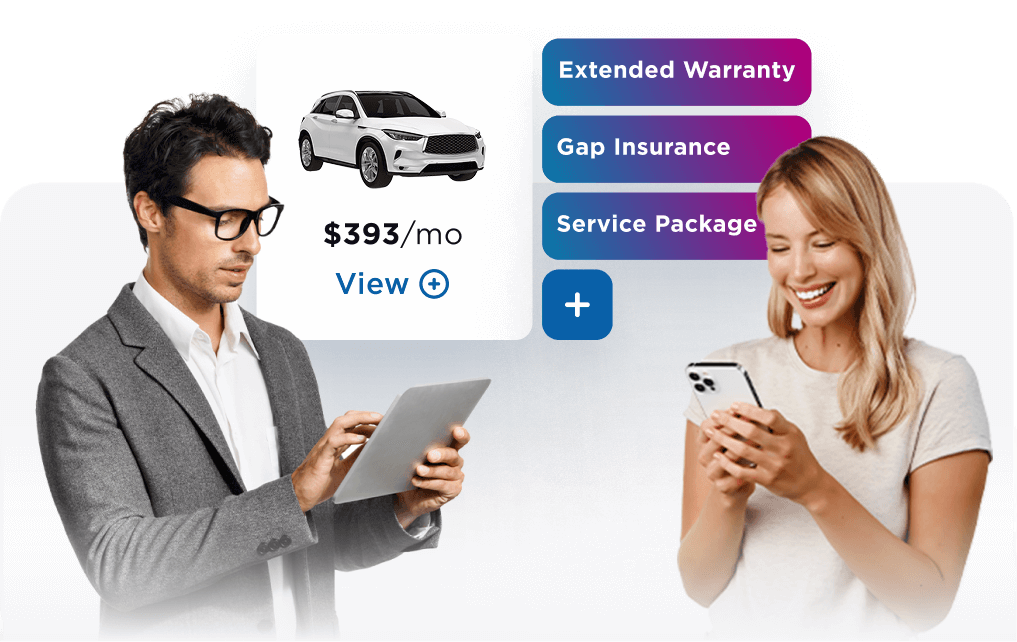
Fragmented workflows slow teams down and frustrate customers who expect a seamless experience—no matter where their journey starts. Unifying online and showroom dealmaking removes those friction points, giving staff a single, consistent process to compare offers, structure deals, and transition shoppers effortlessly across channels. When everything flows from one place, deals move faster, handoffs disappear, and both customers and sales teams stay aligned from first click to close.
2. Use AI‑Powered Insights to Strengthen Every Deal
Smarter signals lead to faster decisions and more relevant offers.
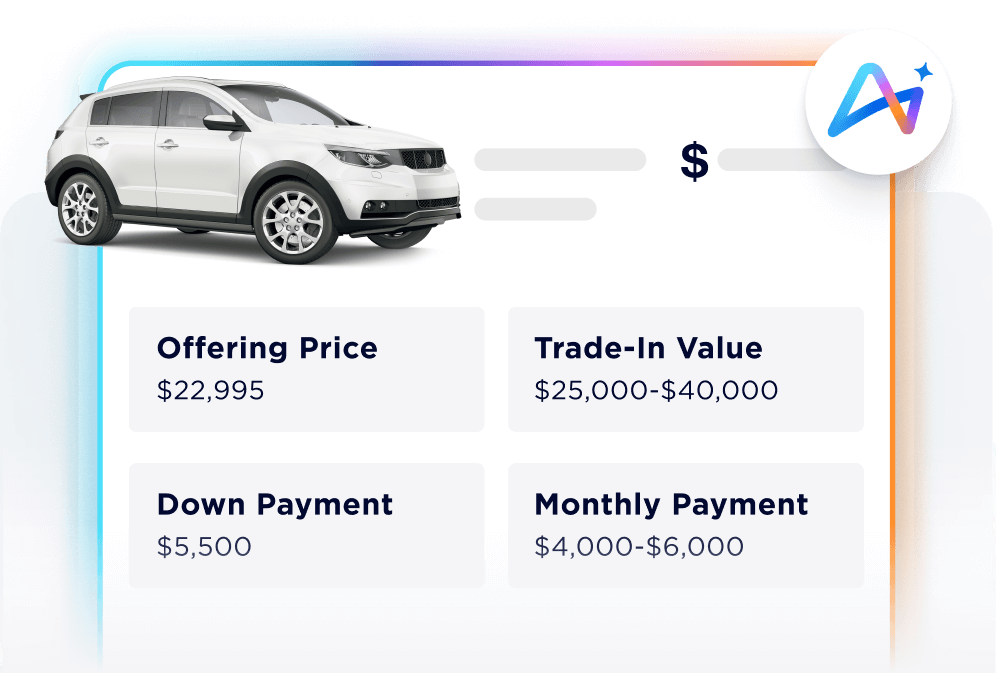
AI is transforming how deals are structured by uncovering insights teams can act on instantly—whether that’s identifying buyer intent, surfacing financing preferences, or recognizing trade‑in opportunities in real time. Embedded directly into the deal workflow, these signals reduce guesswork, enabling staff to craft offers that feel fair, personalized, and thoroughly informed. In a market defined by speed and transparency, AI‑driven clarity helps deals move forward efficiently.
3. Deliver Customer‑First Experiences at Every Touchpoint
Meet rising expectations for personalization, speed, and clarity.
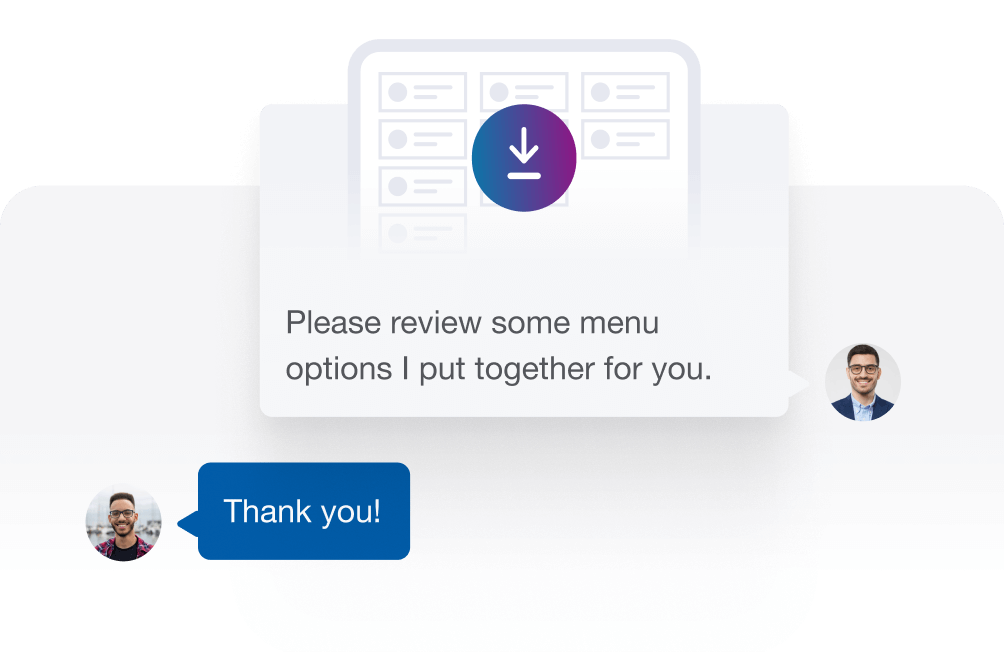
Shoppers expect more transparency, faster guidance, and smoother interactions across the entire buying journey. Delivering truly customer‑first experiences means eliminating unnecessary friction, providing clear deal comparisons, and giving shoppers the confidence that every step—from browsing to final signatures—is consistent and supportive. Retailers who prioritize shopper empowerment will earn loyalty in a market where expectations continue to climb.
4. Streamline F&I and Desking for Faster, Cleaner Deals
Efficiency and accuracy meet modern expectations.
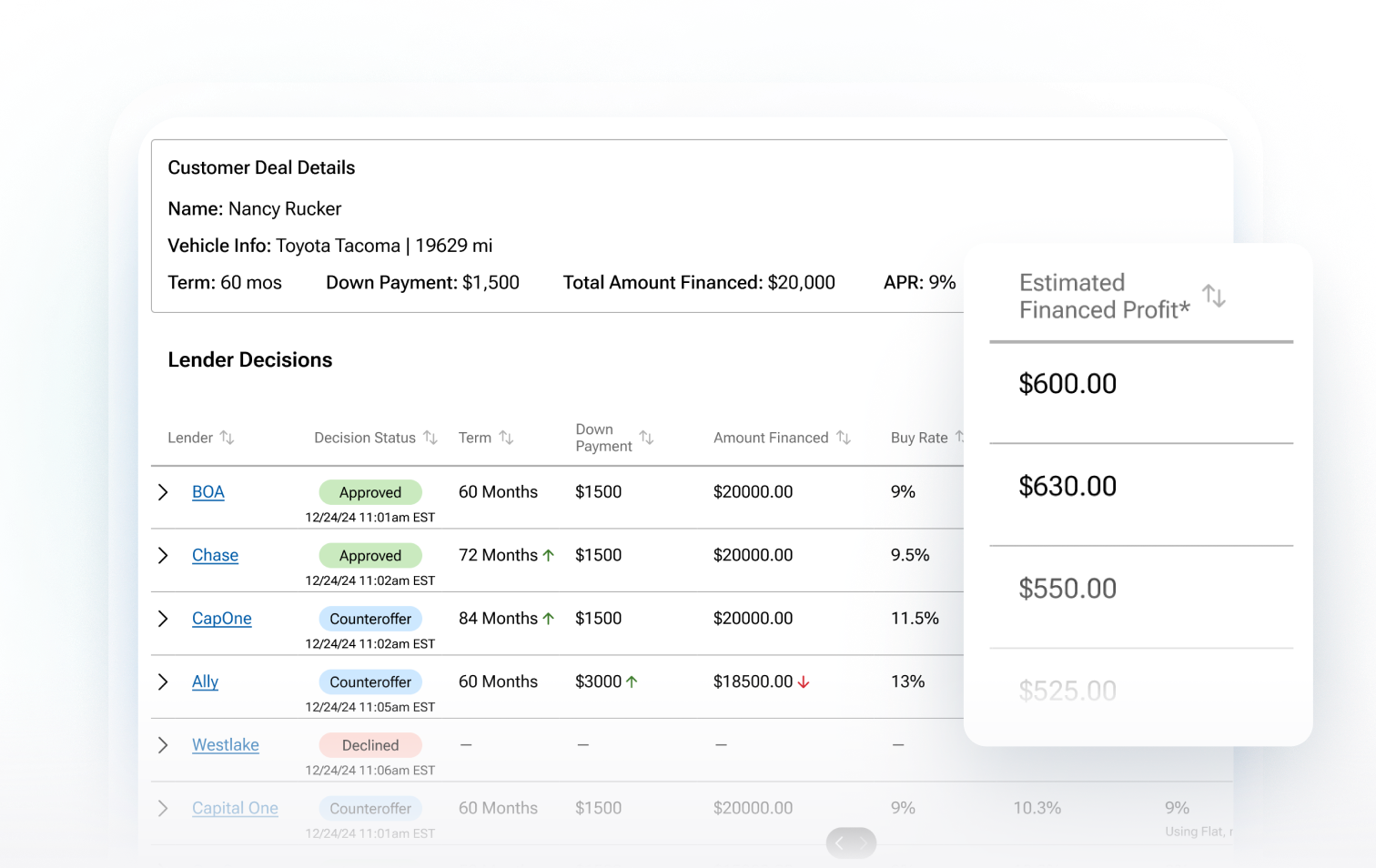
Complex F&I processes can stall deal momentum, especially when information is scattered or updates require manual re‑entry. Smarter desking and F&I intelligence bring deal terms, lender preferences, compliance requirements—into one connected flow. By reducing errors and accelerating approvals, teams can keep deals moving while maintaining accuracy and customer confidence.
5. Offer Flexible Payments & Remote Document Management
Give shoppers the freedom and convenience they expect.
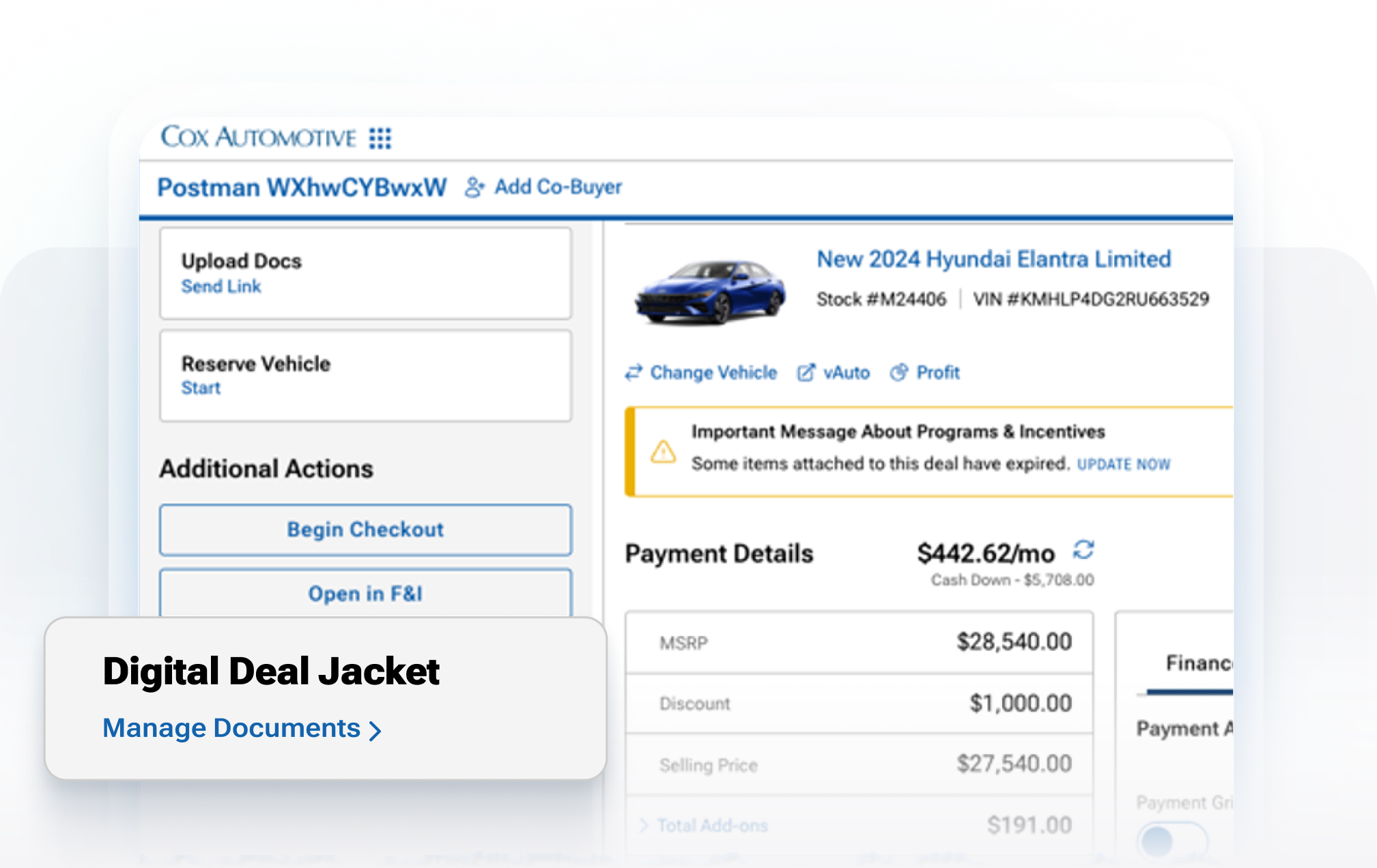
As digital buying behaviors continue to evolve, shoppers increasingly expect flexible payment structures and the ability to complete paperwork remotely. Supporting digital document management and adaptable payments helps reduce time in-store, enhance convenience, and align with evolving customer preferences. This unlocks smoother handoffs, faster closings, and greater satisfaction—without adding complexity for staff.
Ready to see modern dealmaking in action?
Explore Deal Central and request a personalized demo today. coxautoinc.com/deal-central