Now that we are in December and government data is flowing again, we have additional data points for the automotive market and new (but dated) reports on the economy. This week provided updates on new-vehicle sales and pricing, consumer sentiment, and spending and income, although those reports cover September. We will not receive much data on November trends until the middle of the month, when the consumer price index data is released, just a week after the Fed meets to decide on interest rate policy.
New-Vehicle Sales Demonstrate Anemic Growth in November
Official new-vehicle sales were released by the Bureau of Economic Analysis last week for the first time since the government shutdown, following the last report in September.
- New light vehicle sales were 0.4% higher in November against October, and we expect dealers to view this as disappointing. November had two fewer selling days than October, a clear drag on sales. New sales are down 7.3% year over year from last November and were impacted by having one fewer selling day than last year. Year-to-date, sales are still positive against last year’s run rate and higher by 2.7%, but that growth rate has decelerated in the last three months from nearly 5% at the end of the third quarter.
- The November seasonally adjusted annual rate (SAAR) increased to 15.6 million, up 2% from 15.3 million in October but roughly 6% below the strong 16.5 million pace of sales last year.
- Sales of fleet vehicles were stronger compared to retail sales, while sales into the rental channel helped buoy the market this month. According to an analysis of Bobit data, total fleet sales posted their second-strongest year-over-year gains this month, rising 18% in November, driven by a 45% increase in rental sales. Sales for fleets were led by Kia, Hyundai and Stellantis brands this month, though year-to-date fleet share is down for Stellantis, Nissan, and Toyota, while higher for Hyundai, GM and Ford.
- Fleet sales from rental companies are up 16% so far this year, while commercial fleet sales are down 6% and government sales have continued to show lower year-over-year sales, now down 14% year to date.
- November fleet share is estimated to be 16.8% and up 1.5 percentage points year over year, while retail share fell to an estimated 83.2%.
- Early reads on new-vehicle prices in November indicate the average transaction price (ATP) ticked up to $49,814, a small bump of 0.1% against October and higher by 1.3% year over year. (The November Kelley Blue Book ATP report is scheduled to be published on Tuesday, Dec. 9.) Manufacturer’s suggested retail price (MSRP) estimates moved higher by 0.3% in the month, making the price relative to MSRP fall to 95.8%, indicating more discounts in the month from October’s 96.0% level.
- Average incentives increased 3.3% over the month and ticked up to 6.7% of the transaction price on average. The average incentive is lower by almost 14% year over year, though the incentive as a percentage of the ATP is down only 1.2 percentage points, as prices remain higher year over year.
Gas Prices, Consumer Sentiment, and Jobless Claims
Gasoline price declines have been accelerating to start December and early reads on consumer sentiment are improving.
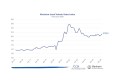
- The price of a gallon of gasoline dropped below $3 for the first time in over 4 years, to $2.98, as of Dec. 5, down 2% year over year.
- According to the University of Michigan Consumer Sentiment, early reads have been increasing and were up 4.5% from the end of November to 53.3 as of late last week. While consumer sentiment reads remain lower against last year, the increase is coming at a pivotal time in the economy as we start to get more reads on government data.
- Consumers’ expectation of future price inflation also declined in early December, with one-year inflation expectations falling to 4.1%, the lowest since January, and the five-year inflation expectation declined to 3.2%. Both metrics peaked in early Spring, but the 1-year decline was lower by almost 9% against November.
- The daily index of consumer sentiment from Morning Consult also showed improvement in early December, rising 0.1% since the end of November.
- Initial jobless claims fell to 191,000 last week, well below expectations of 219,000. That was the lowest level of weekly claims going back to Q4 of 2022. On the other hand, ADP reported weaker job creation than expected earlier in the week, with particular weakness seen in the small business sector.
Personal Income and Spending, Price Levels, and Mortgages
According to the latest report, consumer income growth is outpacing the rise in spending, price inflation remains steady, and mortgage rates are slowly declining.
- Personal income grew by 0.4% in September, the same as the prior month, and slightly higher than expected, while personal spending rose by 0.3% against last month and was in line with consensus. Over the last year, personal income is higher by 5.2%, while personal spending is up by 5%, showing positive real growth in the spread.
- Price levels, as measured by Personal Consumption Expenditures, rose 0.3% in September, showing no change from August’s reading and are up 2.8% year over year. Those same measures, ex-food and energy, were higher by 0.2% month over month, and also remained 2.8% above last year’s level.
- Mortgage rates dipped by 4 bps this week, down to 6.19% according to Freddie Mac, after moving higher in mid-November. Mortgage rates have fallen 66 bps since the end of last year, pushing home payments lower by roughly $100 a month even as median home prices are higher by almost 2% year over year.
Bottom Line
Visibility is improving with regards to seeing our economic data, and we are starting to get some information on spending and price levels – though they are a bit dated as of now. Most of the government updates we are currently getting cover the month of September, prior to the shutdown. Much of our auto market data suggests that although we have recovered a bit from October’s levels, we show little momentum in the market. We’ve seen better trends in new retail sales over the last several weeks, but total November volume was up less than half a percent for the month and driven by some better trends in fleet sales. As that occurred, our initial estimates showed that discounting and incentives rose over the month, even as we observed better APR deals for consumers.
On the other hand, consumer sentiment is starting to rise, and mortgage rates are inching closer to the 6% level, providing a bit of relief for consumers right now. Importantly, consumers’ expectations of future inflation have been declining and are now back to levels last seen in January. With gas prices falling under $3 for the first time in four years, we could see consumers spend a bit more over the next couple of weeks.
The next official read on consumer prices will come on Dec. 18, over a week after the Fed decides whether to cut interest rates or hold. The market is betting on a quarter-point rate cut, but with growing debate across the Fed governors, anything can happen. One more rate cut could prove pivotal in moving mortgage rates lower still, and we are just starting to see lower interest rates for auto loans. The Fed faces a tough decision, knowing we will see more data shortly. But small rises in unemployment might be enough to tilt the dissenters.