Last week brought critical updates on the Fed’s dual mandate with November’s jobs report and CPI data. Both reports point toward a labor market under pressure while inflation looks to be cooling, although many economists are taking the report with a grain of salt. Additionally, the Economic and Industry Insights team hosted a webinar exploring key themes and expectations for the automotive industry heading into 2026, diving into vehicle affordability and themes for next year. Watch the replay.
This will be the final weekly market summary for 2025. We will begin sharing this update again in early January.
On Thursday, Jan. 8, we will host the Q4 Manheim Vehicle Value Index call. The team will discuss the latest Manheim Used Vehicle Value Index and the major economic and industry trends that shaped 2025 and provide an outlook for 2026. Register here.
Drivers of the Fed’s Dual Mandate: Employment and Inflation
Last week brought updates on two core economic data points guiding interest rate policy – the jobs report on Tuesday and the November Consumer Price Index (CPI) release on Thursday – with mixed signals once again. The employment report showed a weakening picture with volatile job growth and rising unemployment. Meanwhile, inflation slowed to its lowest levels in years, though some analysts questioned whether the government shutdown affected data collection and the deceleration of price increases.
- 64,000 jobs were created in November, a bit ahead of the estimates; however, we saw two more negative revisions. Additionally, we received the first read on October job growth, and that number was negative 105,000, pushing the rolling 3-month average to just 22,000 jobs per month.
- Additionally, the unemployment rate ticked up to 4.6% from the 4.4% level last seen in September. Unemployment has risen for the last four reports in a row, and it is 0.4% higher than the same time last year and the highest level seen since September 2021.
- Average hourly earnings rose in November and are up 3.5% year over year, and the labor force participation rate rose a tenth of a point to 62.5%, the highest level seen since April 2025.
November’s CPI Report
- The rate of inflation was reported to be slowing in November, with seasonal prices rising 0.2% over the two-month period, as there was no report for October.
- The year-over-year rise in inflation overall declined to 2.7%, and the annual increase for CPI (excluding food & energy) fell to 2.6%, the lowest reading since March 2021. Many analysts are skeptical about the slowdown of inflation, given that they believe it could have been influenced by the government shutdown itself. Nevertheless, the deceleration of the rate of inflation is noteworthy.
- One of the drivers of the decline in inflation was the rate of increase in shelter costs slowing to 3% against last year, the lowest level seen since August 2021. Shelter costs comprise a fairly large component of the CPI weighting, so a decline will have more overall impact on non-seasonally adjusted prices.
Retail Sales and Consumer Sentiment
Retail sales data were reported through October this week and showed a deceleration in sales growth over the last two months in total, with seasonally adjusted sales rising 3.5% year over year. Meanwhile, consumer sentiment has risen so far in December but remains low by historical standards.
- In October, total spending growth fell to its lowest level since May, falling below 4%.
- Spending in the auto sector was also lower in October, up only 1.2% year over year and the lowest level seen since February’s increase of 0.6% growth.
- University of Michigan consumer sentiment readings were updated on Friday, rising to 52.9% so far in December, down 29% year over year but up almost 4% from November. Morning Consult’s daily consumer sentiment tracker is down 4% from last year but has risen 1.7% from November.
Vehicle Affordability
New-vehicle affordability improved in November after three consecutive months of decline, led higher by growth in wages as we reported above. This was also covered quite extensively in our industry call on Dec. 17, if you’d like to review further. (Reference slides 11-16 presented by Executive Analyst Erin Keating here.
The average new vehicle monthly payment is $776, higher by 1.2% year over year, in line with the growth in transaction prices against last year.
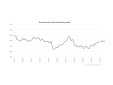
In November, it takes 36.3 weeks of income for a typical consumer to pay for a new vehicle, down from 36.4 weeks in October. The number of weeks of income to purchase a new vehicle has fallen since the 2022 highs of over 40 weeks, but it has been moving sideways for most of the last year.
Bottom Line
Last week’s data delivered a clearer picture for Fed policy than we’ve seen in months. The labor market is undeniably softening: November job creation fell short, the three-month average dropped to just 22,000 jobs per month, and unemployment rose for the fourth consecutive month to its highest level since September 2021. Meanwhile, inflation continues moving in the right direction on the surface. November CPI showed the slowest annual increase in years, with core inflation at its lowest reading since March 2021.
This combination – weakening employment alongside cooling inflation – typically gives the Fed room to ease policy. Yet, many are putting an asterisk next to these reports as they believe the government shutdown impacted both data collection and the results. Usually, when job growth stalls and price pressures subside, the case for rate cuts strengthens considerably. Shelter costs, which comprise a significant portion of overall inflation, are finally decelerating meaningfully after years of sustained increases. However, we likely need another report moving in this direction to gain more consensus on the path forward.
For automotive markets, this points toward potential relief on financing costs in the months ahead, but it’s likely not going to come quickly. The 10-year treasury continues to hold around 4.15%, and futures markets currently show no expectation of a rate cut at the Fed’s January meeting, suggesting any easing will come later in the first half of next year.