Independent dealers don’t need a report to tell them the market is tight, they’re living it every day. Inventory is harder to find, more expensive to acquire, and increasingly contested by larger dealers with more scale, capital and access to supply.
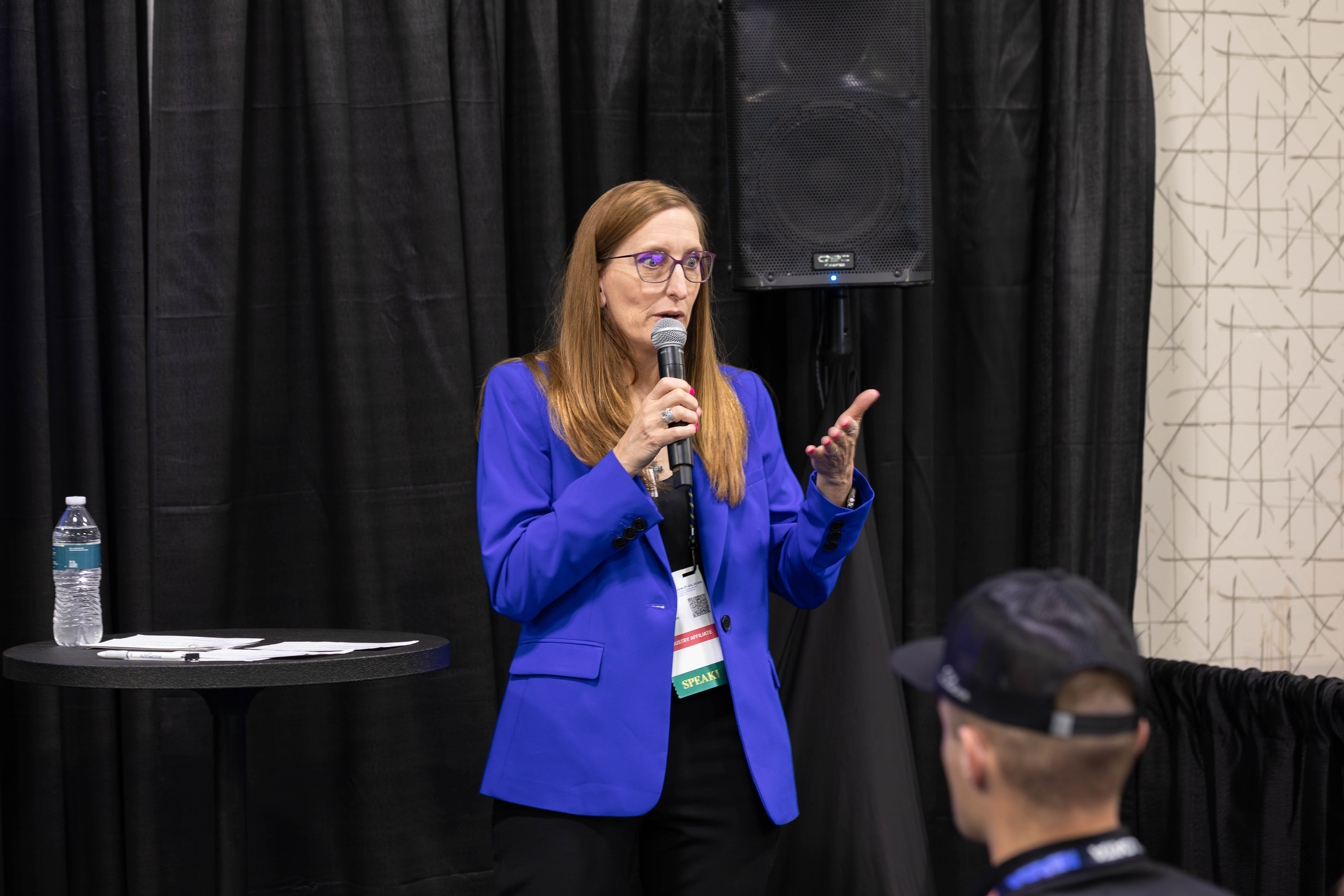
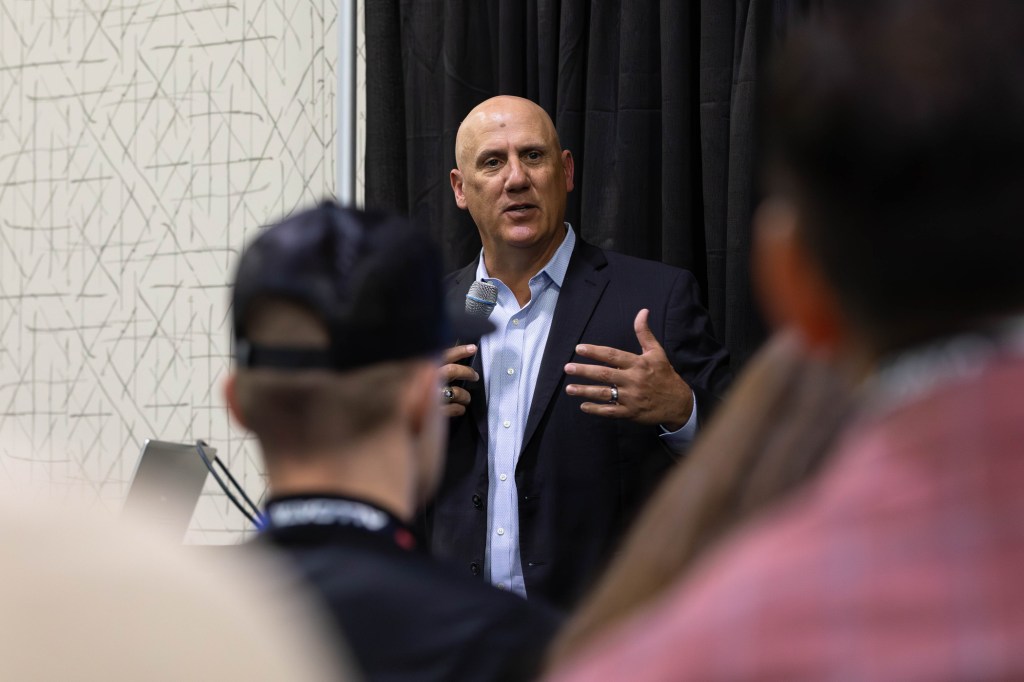
At NIADA 2026, Cox Automotive’s Michael Browning and Christine Garcia tackled that reality head-on in a session on inventory sourcing strategy. Their message: independent dealers won’t out-muscle bigger competitors, but they can out-think them.“You are competing with dealers that have a lot more scale, they have a lot more capital, and they have a lot more access to different cars,” Browning told the audience. “The real question is, how do you win? We know the answer isn’t to outspend the competition, you have to buy smarter.”
Strategy First, Sourcing Second
The market backs up the urgency. The Manheim Used Vehicle Value Index hit 213.9 in mid-June 2026, up 2.6% year over year, while used-vehicle supply is running 42–48 days, well below pre-pandemic norms.
According to Browning and Garcia, the dealers thriving in this environment share one trait: they start with strategy, not supply. Too many dealers still build in reverse, locking in pricing, marketing or staffing first, then sourcing whatever inventory they can find. That approach leads to tighter margins, slower turn and more risk.
The alternative is to define the inventory strategy before buying a single car: Who is the target customer? What margin is required to operate profitably? How fast does inventory need to turn? And which vehicles actually support that model? With those questions answered, buying becomes disciplined rather than reactive.
“If you’ve got the right cars in your inventory, you stop chasing inventory, you stop making bad buys, you improve how fast your cars turn, and your capital actually is working a lot harder for you” – Christine Garcia
More Access Hasn’t Made It Easier
Dealers today can source from more channels than ever—physical auctions, off-site and digital inventory, trade-ins, service-lane opportunities and dealer-to-dealer transactions. But more access has also meant more competition. Off-site inventory in particular cuts both ways: buying outside the lane introduces uncertainty, but it also opens up supply beyond the local market, an important edge when affordable inventory is this scarce.
Dealers who limit themselves to what’s nearby risk falling behind. Those who expand their reach, while putting the right guardrails in place, gain a wider view of the market and more chances to compete.
The Edge Is in the Decision
Access alone no longer creates an advantage, decision quality does. Top-performing dealers aren’t asking “What’s available?” They’re asking, “What’s the right vehicle for my business, and how will it perform?”
That shift is powered by data-driven sourcing tools that guide what to buy and what to pay, market visibility that extends beyond local inventory, assurance tools that reduce the risk of buying remotely, and industry partners who help simplify decisions.
“You don’t need more resources. You need better decisions,” Browning said. “Use the tools, use the data, and use the people that are available to you to help make those decisions.” Garcia echoed the point, noting the range of support available to dealers, auction dealer-services teams, inventory specialists, arbitration teams, trade desks and brokers, all of whom can help dealers navigate sourcing options and make smarter calls.
A Repeatable Process
The dealers winning today aren’t guessing. They’re running a consistent cycle: define strategy, source with intention, make data-driven decisions, monitor performance, then adjust and repeat. It’s not about getting it perfect, it’s about continuous improvement in a market that keeps shifting.
The Bottom Line
Inventory is still the product, and the strategy behind it determines everything else. In a market defined by tighter supply and stronger competition, independent dealers don’t need more resources, they need better clarity, better discipline and better decisions. As Browning and Garcia made clear at NIADA 2026, the dealers who put inventory strategy first are the ones best positioned to compete, and win.
Ready to make more informed inventory decisions? Start with the latest data and market insights: