The Q3 2026 Cox Automotive Dealer Sentiment Index (CADSI) shows dealers navigating a market shaped by economic uncertainty and ongoing affordability pressures. While sentiment softened during the third quarter, dealers also reported signs of stability in areas including inventory and profitability, suggesting the retail market continues to adjust to changing conditions.
The quarterly survey of 929 U.S. automobile dealers was conducted July 22-Aug. 5, 2026, and includes responses from both franchised and independent dealers.
Dealer Confidence Remains Under Pressure
The third-quarter survey reflects a retail environment in transition as dealers adapt to changing consumer priorities and broader economic uncertainty. Dealers described shoppers as increasingly focused on value and affordability while continuing to navigate higher operating costs and shifting market dynamics.
Even amid those challenges, survey responses suggest the market is adapting rather than retreating. Dealers pointed to areas of improving stability while continuing to adjust to a customer base that is more selective and value-conscious than in recent years.
“Highest interest rates in a long time. Rising prices for everything are causing people to hold on to cars longer.” — Toyota dealer
Dealer Sentiment Softens Across Key Market Measures
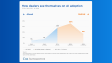
Dealer sentiment weakened across several key measures in the third quarter. Current market sentiment and expectations for the months ahead both declined, with franchised dealers reporting the sharpest deterioration. Customer traffic also softened, with dealers citing weaker online activity and fewer showroom visits. Profit sentiment improved modestly and cost pressures eased somewhat, though operating conditions remained challenging.
| Metric | Q3 Score | Quarter-over-Quarter Trend | Long-term Q3 Score |
|---|---|---|---|
| Current Market | 41 | Declining | 48 |
| Future Market | 46 | Declining | 49 |
| Customer Traffic | 34 | Declining | 38 |
| Profit | 39 | Improving | 43 |
| Costs | 71 | Improving | 69 |
In the table above, scores over 50 indicate that more dealers view conditions as stronger or positive rather than weak or negative. In the case of the Cost Index, a high score indicates that dealers describe the cost of running their dealership as increasing.
“Operating costs, insurance costs, payroll costs, vendor costs, advertising costs. Every single thing is going up.” — GMC dealer
Demand Becomes More Selective as Inventory Stabilizes
The clearest deterioration was in new-vehicle sales. Franchised dealers reported weaker new-vehicle sales compared with both the previous quarter and year-ago levels, while used-vehicle sales changed little. Dealers consistently noted stronger demand for lower-priced vehicles as consumers remained highly focused on monthly payments and overall value.
| Metric | Q3 Score | Quarter-over-Quarter Trend | Long-term Q3 Score |
|---|---|---|---|
| New-Vehicle Sales | 50 | Declining | 55 |
| Used-Vehicle Sales | 43 | Declining | 51 |
| New-Vehicle Inventory | 54 | Declining | 50 |
| Used-Vehicle Inventory | 43 | Improving | 40 |
| BEV Sales | 41 | Improving | 46 |
Inventory conditions, meanwhile, continued to move toward balance. Growth in new-vehicle inventory slowed during the quarter, suggesting supply levels are stabilizing, while used-vehicle inventory improved modestly. Dealers continue to face challenges sourcing affordable used vehicles, however, underscoring the growing importance of vehicle affordability across the market.
“Not enough affordable vehicles. Not enough under $20,000 that aren’t total junk or need lots of work.” — Chevrolet dealer
One bright spot in the quarter was improving sentiment toward electric vehicle sales, even as broader market measures weakened. The contrast highlights the uneven nature of today’s retail environment, where opportunities for growth remain despite ongoing challenges elsewhere in the market.
Economy Top Factor Holding Back Business
Despite shifts elsewhere in the survey, dealers’ top concerns remained largely unchanged. The economy remained the most frequently cited factor holding back business, followed by market conditions, interest rates, expenses and political climate. Dealers continue to view broader economic conditions as a key influence on consumer confidence, spending and vehicle affordability.
Interest rates climbed higher on the list of concerns during the quarter, reflecting the continued impact of borrowing costs on vehicle shoppers and dealership performance.
“Gas cost, war, inflation, unemployment and increase in the cost of doing business have impacted business.” — Honda dealer
| Rank | Factor | Dealers Citing | Quarter-over-Quarter Trend |
|---|---|---|---|
| 1 | Economy | 54% | Decreasing |
| 2 | Market Conditions | 42% | Increasing |
| 3 | Interest Rates | 34% | Increasing |
| 4 | Expenses | 33% | Steady |
| 5 | Political Climate | 32% | Decreasing |
Bottom Line
Dealers entered the second half of 2026 facing a consumer who remains engaged but increasingly selective. While economic uncertainty and affordability pressures continue to weigh on sentiment in the third quarter, improving profitability, stabilizing inventory levels and stronger sentiment toward EV sales suggest the market is adjusting rather than retreating. For dealers, success increasingly depends on adapting to a marketplace where value, affordability and consumer confidence are shaping purchasing decisions.